Why Many Adults Over 50 Feel Less Energetic, Active, and Resilient Than They Used To
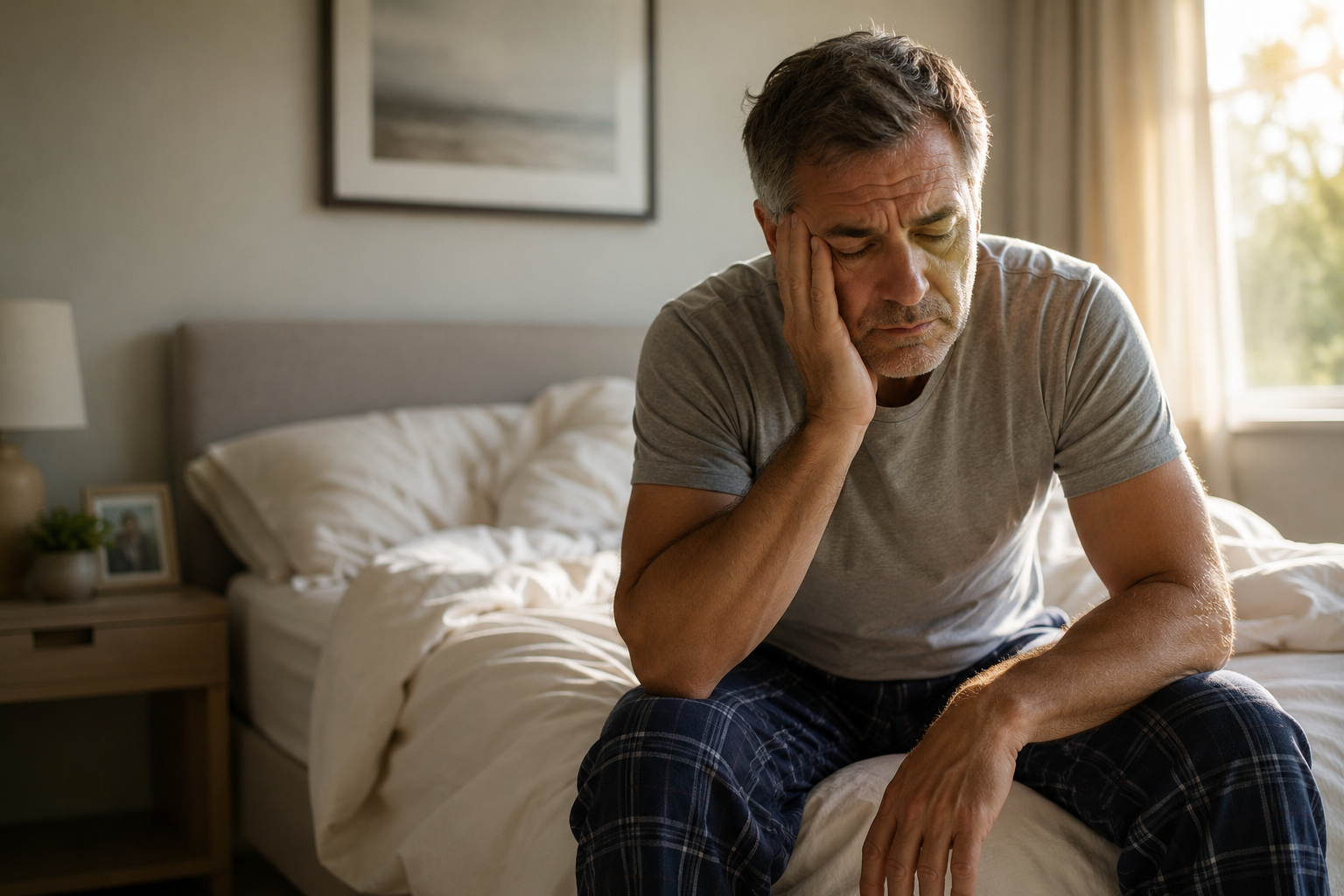
Researchers studying cellular energy and healthy aging are exploring why stamina, vitality, and recovery often change so noticeably over time.

Rated 4.8/5
★★★★★
But recent research suggests something more complex may be happening inside the body’s energy systems.
For many adults over 50, changes in energy and vitality tend to happen gradually.
At first, they may seem minor:
• feeling less motivated during the day
• reduced physical stamina
• slower recovery after normal activities
• needing more effort to stay productive
• lower mental sharpness and focus
Many people simply assume this is a normal part of getting older.
But researchers studying aging and metabolism are now exploring how cellular energy production may play a much larger role than previously believed.
Most people assume this is simply a normal part of aging.
But recent research suggests something more complex may be happening inside the body’s energy systems.
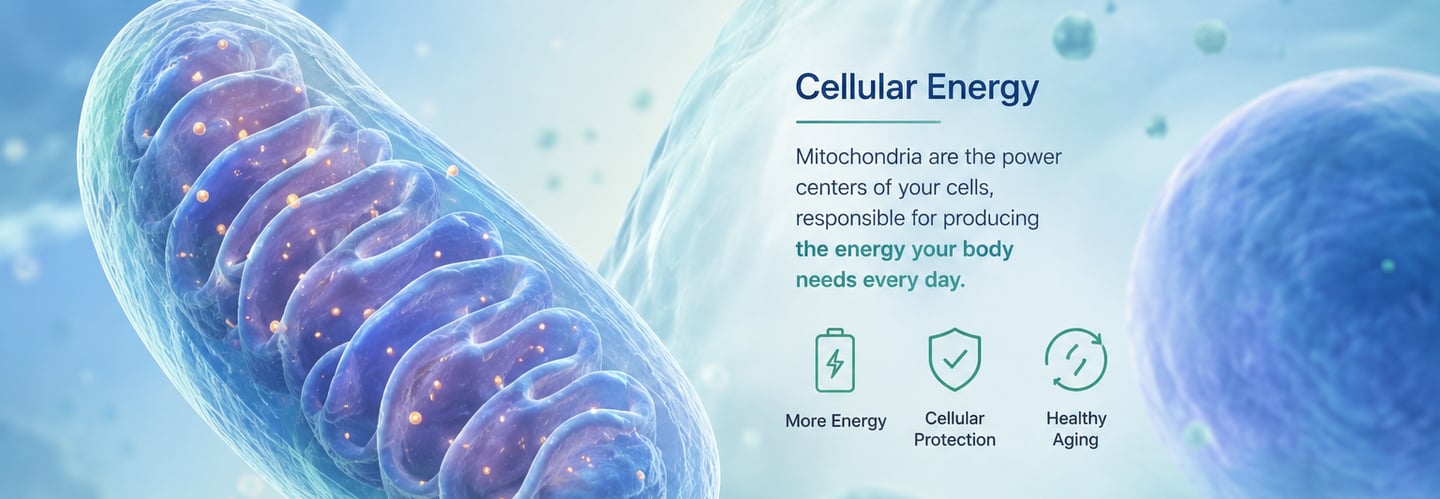
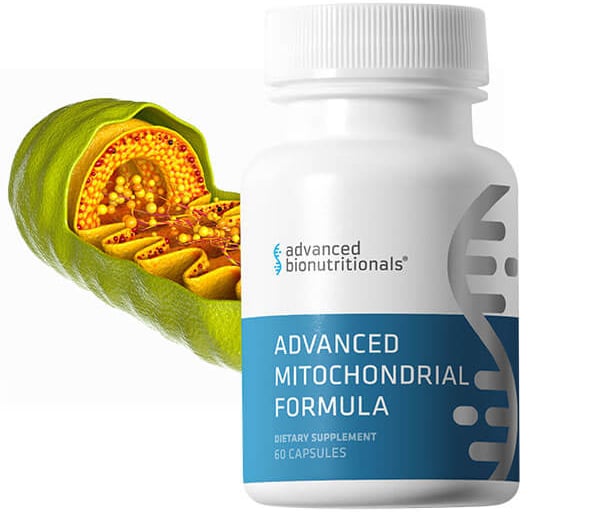
Much of this research is focused on the mitochondria - tiny structures inside the cells responsible for producing energy throughout the body.
These cellular “power centers” help fuel nearly every major system involved in daily function, including physical performance, mental clarity, metabolism, and recovery.


When mitochondrial function operates efficiently, many adults report benefits such as:
• more stable energy throughout the day
• improved stamina and endurance
• clearer thinking and mental focus
• healthier recovery after activity
• better resilience during daily routines
• feeling more physically capable and active
Over time, mitochondrial efficiency may naturally decline due to aging and other lifestyle-related factors.
Many adults notice this as lower energy, slower recovery, reduced endurance, and feeling older or less capable than they once did.
Because mitochondria support energy production throughout the body, researchers are also studying how mitochondrial wellness may influence broader aspects of healthy aging.
This includes areas connected to:
• mobility and physical performance
• mental sharpness and focus
• metabolic health
• cardiovascular wellness
• long-term vitality and resilience
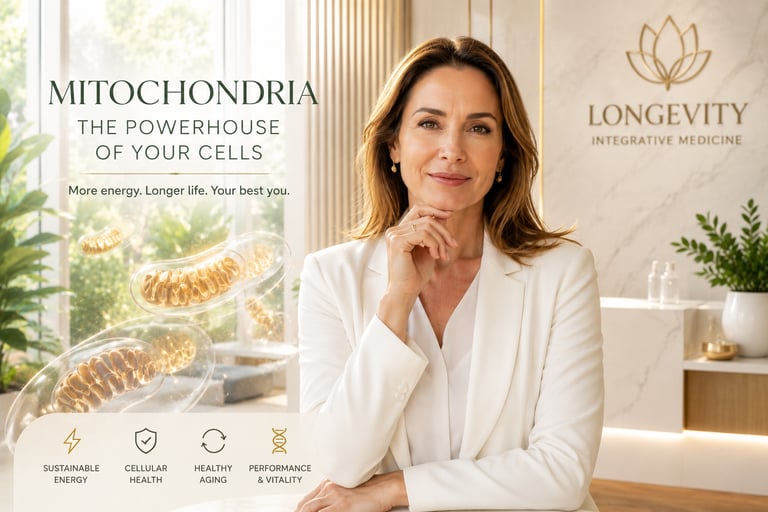

Why More Adults Are Looking Beyond Temporary Energy Boosts
These cellular “power centers” help fuel nearly every major system involved in daily function, including physical performance, mental clarity, metabolism, and recovery.
The Cellular Energy Nutrients Researchers Are Exploring
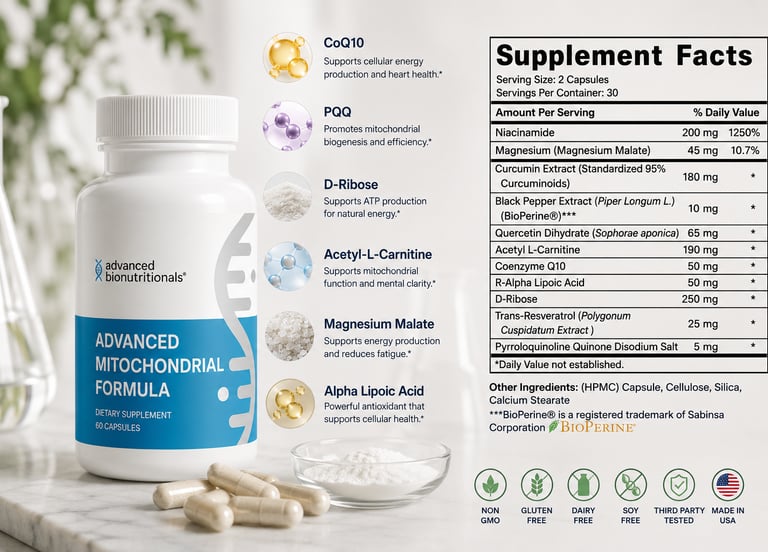
Within this growing area of wellness research, several nutrients have attracted attention for their role in supporting mitochondrial function and cellular energy production.
Rather than relying on harsh stimulants, these nutrients are commonly researched for how they may support energy metabolism, vitality, endurance, and healthy aging processes.
These include:
CoQ10 + PQQ
Acetyl-L-Carnitine
D-Ribose
Magnesium Malate
Niacinamide
R-Alpha Lipoic Acid
Curcumin, Resveratrol & Quercetin
BioPerine®
Why More Adults Are Looking at Energy and Aging Differently
Instead of asking:
“How can I get a quick energy boost?”
More adults are beginning to ask a different question:
“Why does the body seem to lose stamina, resilience, and vitality over time?”


This shift has increased interest in topics such as:
mitochondrial wellness
cellular resilience
metabolic support
healthy aging
long-term vitality
Instead of focusing only on temporary stimulation, many people are becoming more interested in supporting how the body naturally maintains energy, mobility, mental clarity, and long-term vitality.
A Presentation Exploring Cellular Energy and Healthy Aging
A recent educational presentation explores how mitochondrial function may influence energy, vitality, and healthy aging over time.
The presentation discusses:
how the body naturally produces energy
why energy levels may change with age
nutrients commonly researched for mitochondrial support
and why cellular wellness has become such a growing area of interest
★★★★★
Rated 4.8/5
DISCLAIMER
This content is intended for informational and educational purposes only and should not be interpreted as medical advice.
Statements regarding dietary supplements have not been evaluated by the Food and Drug Administration. This product is not intended to diagnose, treat, cure, or prevent any disease.
Individual experiences may vary.
© 2024/2026. All rights reserved.
FOOTER DISCLOSURE
This website may receive compensation for purchases made through certain links.
About This Content
This website publishes educational wellness content related to healthy aging, vitality, and cellular wellness.